


WELCOME TO CATMERE GARDENS
Sustainable living through traditional life practices.
At Catmere Gardens, we aspire for personal enrichment in sustainable living practices. We want everyone to tackle challenges and take on new experiences. Below you’ll find the information you need about achieving greater self-sufficiency. Can’t find what you’re looking for? Contact us today.
EXPLORE CATMERE GARDENS
Please check out our Blog!
Catmere Gardens, a family-owned farm since 1998, focuses on sustainable living and personal life enrichment. Our team of 5 crafts handmade products. We're perfect for conscientious individuals seeking a healthier lifestyle. With us, you're not just buying, you're investing in self-sufficiency and a cyclical economy. We want everyone to tackle challenges and take on new experiences.
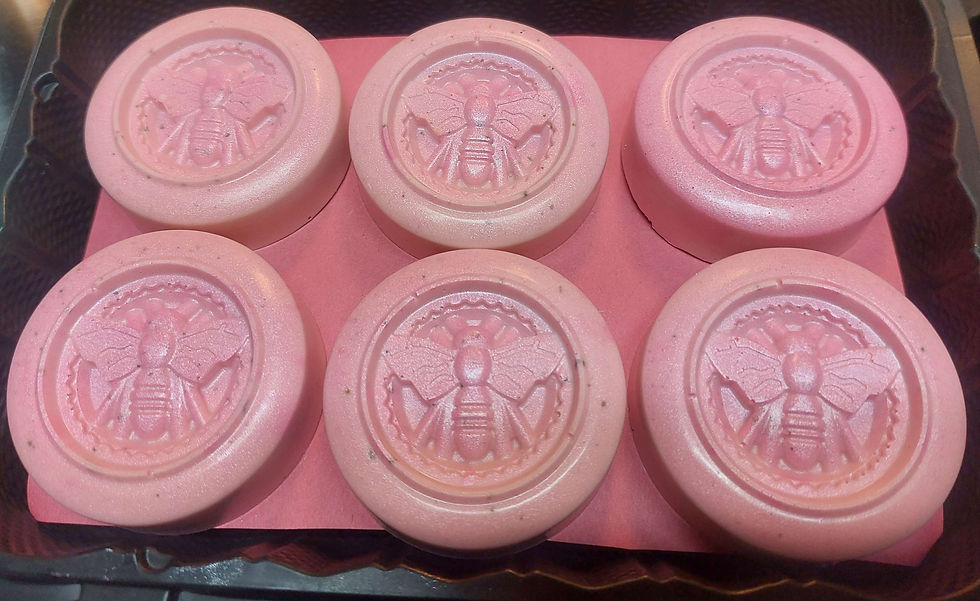
We are a farm out in Lakewood. We sell eggs, our honey, handmade soaps, grow plants (veggies, herbs, etc), and officiate marriages. We approach everything envisioning the whole life cycle.
GET IN TOUCH
IN THE GARDEN
News and Information

CATMERE GARDENS STAFF ADVICE
Our staff is comprised of lifelong gardeners who lived in various climates. While most of the current advice is geared towards growing in zone 8b Western Washington USA you can take the principles and practices discussed here towards your gardening and find out from your local sources how to adapt them to fit your growing region.
Not sure what your growing zone is. Check out this page: https://planthardiness.ars.usda.gov/

ADDITIONAL SERVICES
We currently offer Officiant services with our Ordained Minister, Stephanie Smith ID no: 669848 A.M.M

TIPS FOR BEGINNERS
Subscribe to some resources.
Before you get started, read about gardening and the skills you want to put into practice.
Some recommendations are:
Subscribe to Mother Earth News. You can also sign up for their newsletters that are an awesome source of information.
Check with your local library. Lots of times there are both online and hard resources available to you. Many libraries systems make larger online databases free, low-cost, and accessible. Your librarian might also have local information sources that could help you in your growing journey.
Check with your local gardens and nurseries. Many have information readily available and generally helpful staff. I don't mean your local large home improvement store. Check with your small operators.
Check with your City or Town government. They might have resources available or information to link you to local groups.
Check with your local Master Gardeners. Many universities have programs and our local one is Master Gardener Program | WSU Extension at MasterGardener.wsu.edu

10 ESSENTIAL TIPS FOR BEGINNERS
1. Know thy dirt. Get to know your soil and what changes might need to occur to get the best result.
2. Know thy climate. What is your growing zone? Getting to know what is possible to grow in the climate you are in.
3. Grow what you will eat. Yes. You could grow tons of carrots, squash, etc. but, are you going to eat that… if your family won’t eat certain things don’t grow them.
4. It doesn’t need to cost a fortune. You can do things by making what you need or by getting things used. There are tons of groups and places to obtain low cost or even free supplies to grow your own food.
5. Plants have friends. Understand and research companion planting. Certain plants have benefits that extend to their neighbors.
6. Plants have enemies. Understand that certain plants cause harm to others and there are also garden pests that hurt plants. Paying attention to your plants reaction to external stimulus. Just like companion plants there are plants that are detrimental to others.
7. What you do to one happens to all. In the effort to control one pest or one problem you can cause a cascade of problems. You spray for aphids but you end up killing all the other beneficial insects.
8. It’s a system. There are so many parts and pieces in a garden that make it all work. A monoculture is not healthy. The world is a rich and varied place, your garden shouldn’t be any different. Grow various plants and intertwine areas.
9. Rotate, rotate, rotate. Move crops around and plant cover crops. If you keep planting the same plants in the same area you’ll strip the specific nutrients needed for those plants to flourish. Sometimes areas need to rest.
10. You cannot expect perfection. Those images in magazines and other media are carefully edited and staged to look the way they do. Gardening is messy and nothing is going to be perfect. I want you to make sure you are not hard on yourself because you might not be living up to unrealistic expectations of perfection. It’s ok to mess up and you only fail if you stop trying.






Upcoming Events
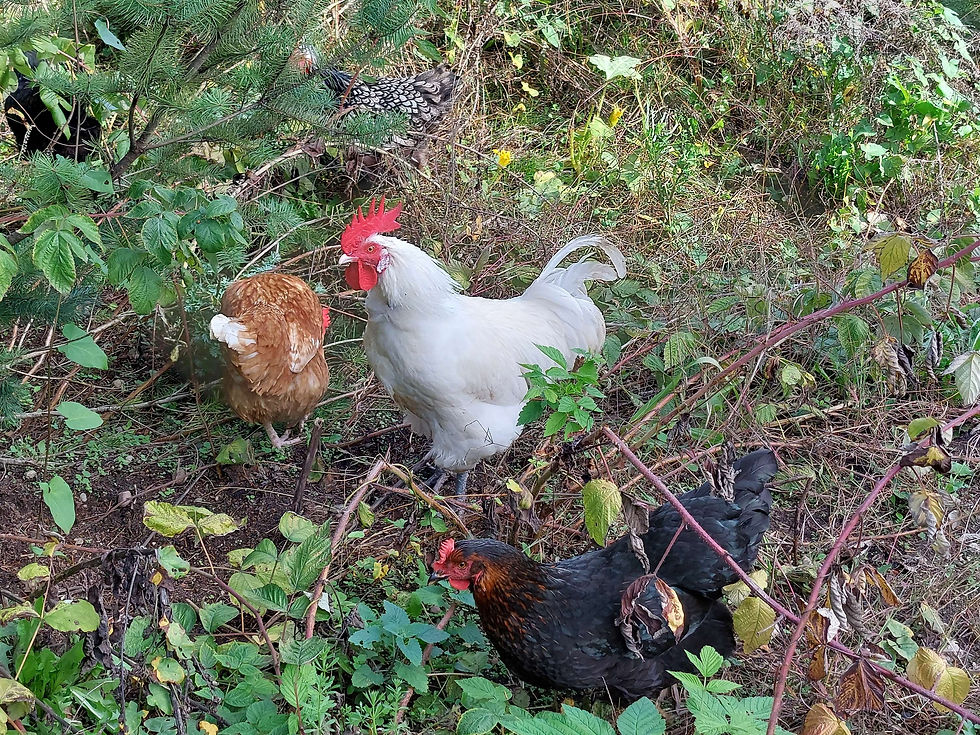 Raising Chickens for BeginnersSat, Mar 093819 100th St SW unit 6a